What do pinecones, sunflowers, and spiral galaxies have in common? They all hide a secret pattern called the Fibonacci Sequence. This sequence is one of the most famous in maths, appearing in nature, art, and even technology. Let’s explore what makes it so magical.
What Is the Fibonacci Sequence?
The Fibonacci Sequence starts with 0 and 1. Each new number in the sequence is found by adding the two numbers before it. It looks like this:
0, 1, 1, 2, 3, 5, 8, 13, 21, 34, 55, 89…
Here’s how it works:
- Start with 0 and 1.
- Add them together: 0 + 1 = 1.
- Add the last two numbers: 1 + 1 = 2.
- Keep going: 1 + 2 = 3, 2 + 3 = 5, and so on.
It’s simple but leads to amazing patterns.
Where Do We See It?
The Fibonacci Sequence isn’t just a maths thing—it shows up everywhere:
- In Nature:
- The number of petals on a flower often follows the sequence (3, 5, 8, 13…).
- Pinecones and pineapples have spirals that match Fibonacci numbers.
- Even hurricanes and galaxies swirl in patterns related to the sequence.
- In Art and Design:
- The sequence helps create the Golden Ratio, a proportion that’s pleasing to the eye.
- Artists and architects use this ratio in paintings, buildings, and logos.
- In Everyday Life:
- Fibonacci numbers are used in computer algorithms, stock market analysis, and even music.
Cool Fibonacci Facts
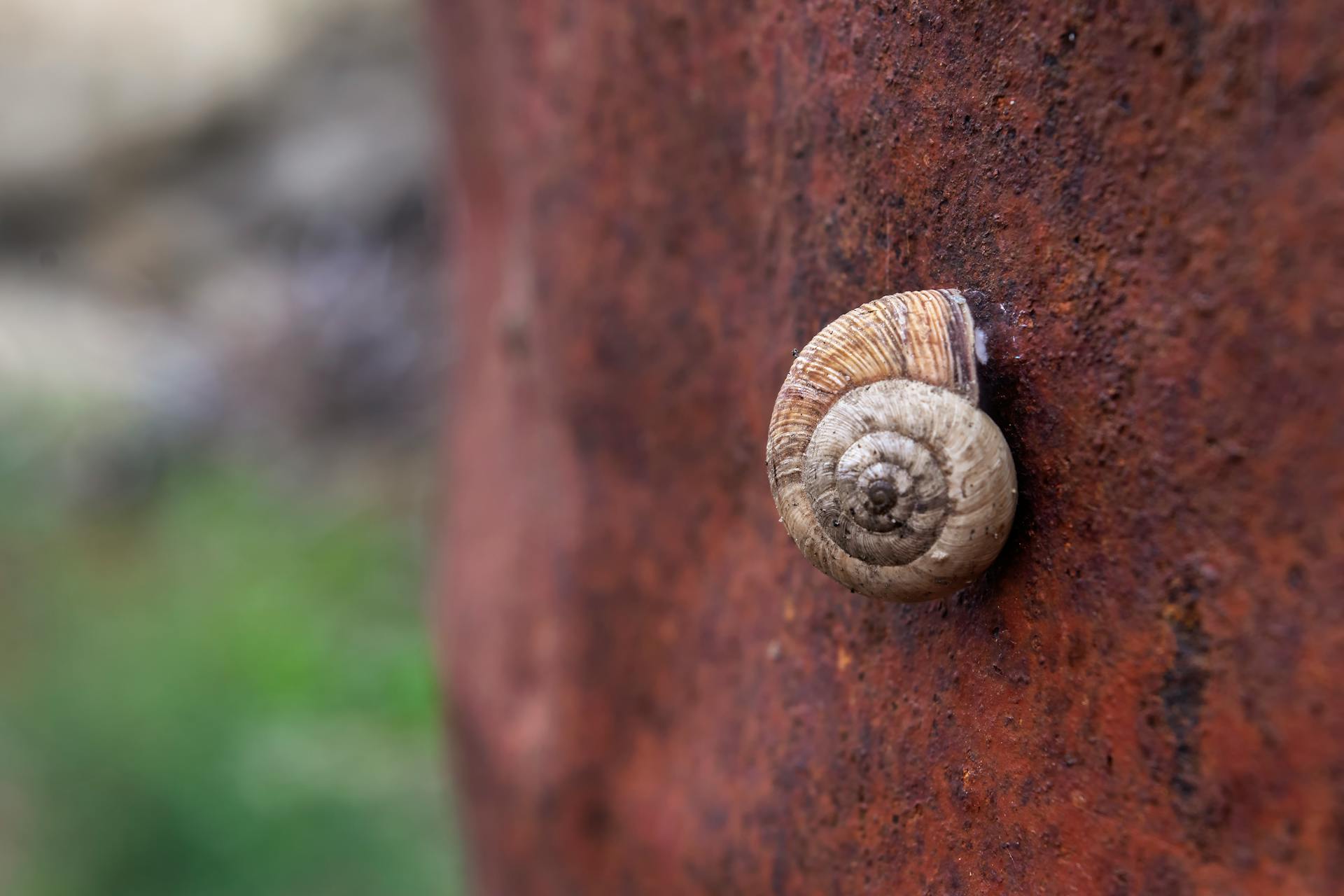
- The Golden Spiral: If you draw squares with sides equal to Fibonacci numbers (1, 1, 2, 3, 5…), you can create a spiral. This shape appears in seashells, hurricanes, and galaxies.
- Rabbit Problem: The sequence was discovered by a mathematician, Leonardo Fibonacci, while solving a problem about how rabbits multiply over time. (Spoiler: the number of rabbits follows the sequence!)
- It’s Infinite: Like prime numbers, the Fibonacci Sequence goes on forever.
Why Does It Matter?
The Fibonacci Sequence shows us how maths connects to the world around us. It’s not just about numbers—it’s about understanding beauty, growth, and patterns in life.