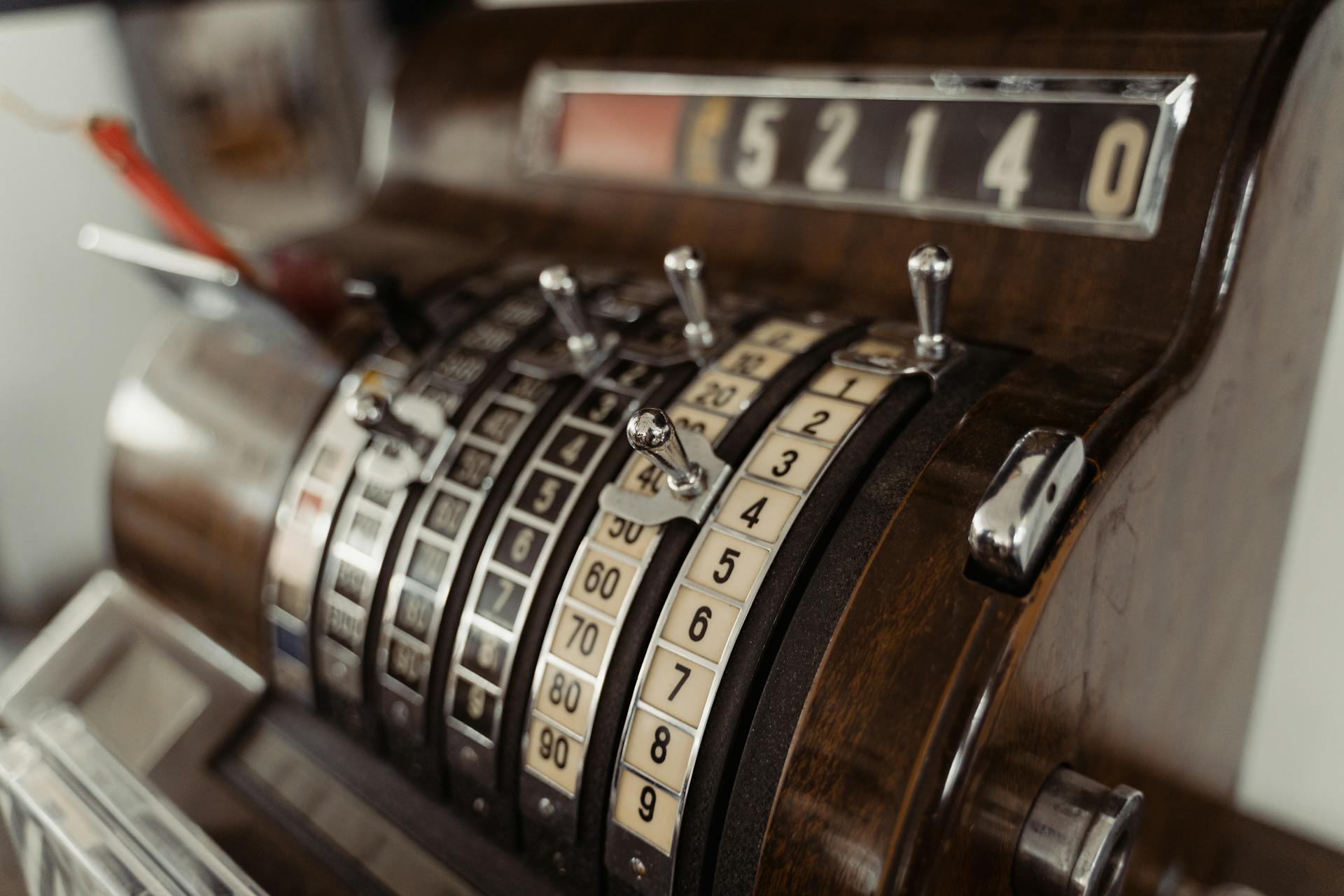
Decimals might look small, but they pack a big punch in maths and everyday life. Whether you’re dealing with money, measurements, or percentages, decimals help us handle the little details that make a big difference.
What Are Decimals?
A decimal is a way of writing numbers that aren’t whole. It uses a dot (called a decimal point) to separate the whole part from the fractional part. For example:
- 3.5 means 3 whole units and 5 tenths.
- 0.25 means 25 hundredths.
Why Are Decimals Useful?
- Money: Prices are written in decimals (e.g., £4.99). Without decimals, shopping would be confusing!
- Measurements: Decimals help us describe precise lengths, weights, and volumes.
- Percentages: Percentages are just decimals in disguise (e.g., 0.5 = 50%).
Decimal Tips and Tricks
- Rounding: To simplify a decimal, round it to the nearest whole number or a certain decimal place. For example:
- 3.567 rounds to 3.57 (to 2 decimal places) or 4 (to the nearest whole number).
- Adding and Subtracting: Line up the decimal points before you calculate:
- 2.34 + 1.2 = 3.54
- Converting to Fractions: A decimal can always be written as a fraction:
- 0.25 = 25/100 = ¼.
Why Decimals Matter
Decimals let us be accurate and precise. From measuring the speed of a car to calculating the perfect recipe, they’re a vital part of everyday life.